LifesON

Create, Uplift and Inspire Vitality

Because understanding your emotions isn’t a weakness — it’s your greatest strength…
  • Introduction

    Emotional resilience is the ability to adapt, recover, and grow stronger when faced with stress, challenges, or setbacks. It doesn’t mean you don’t feel pain or struggle—it means you can navigate difficult emotions and bounce back without losing your sense of balance.

    Why Emotional Awareness Matters

    Life is filled with unexpected challenges — stressful days at work, misunderstandings in relationships, academic pressure, health concerns, or personal setbacks that shake our confidence. While we can’t always control what happens to us, we can control how we respond.

    This ability to stay grounded, adapt, and grow despite difficulties is called emotional resilience — and it’s a skill anyone can build.

    Resilience is not about being tough all the time.
    It’s about learning to bend without breaking, to feel without getting overwhelmed, and to rise every time life knocks you down.

    🌿 What Is Emotional Resilience?

    Emotional resilience is the strength that helps you:

    • Navigate stress without shutting down
    • Bounce back from setbacks with clarity
    • Adapt to challenges instead of resisting them
    • Stay emotionally balanced even during uncertainty

    It’s not about avoiding emotions — it’s about handling them in healthy, empowering ways.

    Emotionally resilient people still feel sadness, fear, anger, or disappointment.
    The difference is: they don’t let those emotions control their actions or identity.

    🧠 How Resilient People Think Differently

    Emotionally strong individuals often:

    ✔️ View challenges as temporary, not permanent
    ✔️ See setbacks as lessons, not failures
    ✔️ Focus on what they can control
    ✔️ Accept emotions instead of suppressing them
    ✔️ Stay connected to supportive people
    ✔️ Believe in their ability to grow through struggle

    This mindset shift alone can transform how you move through life’s storms.


    🌧️ Signs You Need to Strengthen Your Resilience

    You may need to build emotional resilience if you often feel:

    😞 Overwhelmed by small triggers
    😤 Emotionally drained by daily stress
    🤯 Stuck in overthinking loops
    😔 Easily discouraged by setbacks
    😩 Dependent on others for emotional stability
    😶 Unable to express or manage strong emotions

    The good news? Resilience is not fixed.
    With consistent practice, you can strengthen it — just like a muscle.

    🌼 7 Powerful Ways to Build Emotional Resilience

    1️⃣ Allow Yourself to Feel — Not Fight Your Emotions

    Avoiding emotions doesn’t make them disappear.
    Resilience begins with acceptance, not resistance.

    Ask yourself:
    “What am I truly feeling right now, and why?”

    Name the feeling — fear, sadness, anger, disappointment — without judging it.
    You cannot heal what you refuse to acknowledge.

    2️⃣ Reframe Your Thoughts

    Resilient people don’t jump to worst-case scenarios.

    One simple technique:
    🔄 Shift from “Why is this happening to me?”
    to
    🌱 “What is this teaching me?”

    This small shift opens the door to growth, clarity, and emotional strength.

    3️⃣ Set Healthy Boundaries

    Resilience needs space.
    When your emotional energy is drained by people or situations, you cannot grow.

    Boundary examples:

    • Saying no without guilt
    • Limiting emotional attachment to negativity
    • Protecting your time, rest, and mental clarity

    Boundaries are not walls — they are self-respect in action.

    4️⃣ Build a Support System

    Humans are not meant to navigate challenges alone.
    Reach out to a friend, partner, mentor, or counselor when emotions feel heavy.

    Connection provides:

    • Perspective
    • Comfort
    • Emotional grounding

    Opening up is a sign of courage, not weakness.

    5️⃣ Practice Mindfulness and Grounding

    Simple daily habits can calm emotional storms:

    • Deep breathing for 2 minutes
    • Focusing on the present moment
    • A short walk without distractions
    • Journaling your thoughts
    • Meditation or gratitude reflection

    Mindfulness reduces emotional reactivity and increases clarity.

    6️⃣ Strengthen Your Coping Skills

    Healthy coping habits build resilience over time:

    ✔️ Regular exercise
    ✔️ Good sleep routines
    ✔️ Creative activities
    ✔️ Spending time in nature
    ✔️ Listening to music that uplifts you

    These habits recharge your emotional battery.

    7️⃣ Be Kind to Yourself — Especially During Tough Days

    Resilience grows faster when you respond to setbacks with self-compassion, not criticism.

    Tell yourself:
    “I am allowed to struggle. I am allowed to feel. I am learning and growing.”

    Treat yourself with the same gentleness you offer the people you care about.

    🌈 The Ripple Effect of Emotional Resilience

    As your resilience strengthens, you will notice:

    ✨ You bounce back from stress faster
    ✨ Your emotional reactions become calmer
    ✨ You handle conflicts with more clarity
    ✨ Your relationships become healthier
    ✨ Your self-confidence deepens
    ✨ You feel more grounded and in control of your life

    Resilience doesn’t eliminate challenges — it equips you to face them with courage, wisdom, and balance.


    🌟 Final Thoughts: You Can Rise, Again and Again

    Building emotional resilience is a lifelong journey, not a milestone.
    Every challenge you face becomes an opportunity to grow stronger, wiser, and more compassionate with yourself.

    Start small.
    Practice daily.
    Celebrate progress.

    And remember:

    Resilience is not about how many times you fall —
    it’s about how many times you choose to rise.

    You already have the strength within you.
    This journey simply helps you discover it. 🌿💫
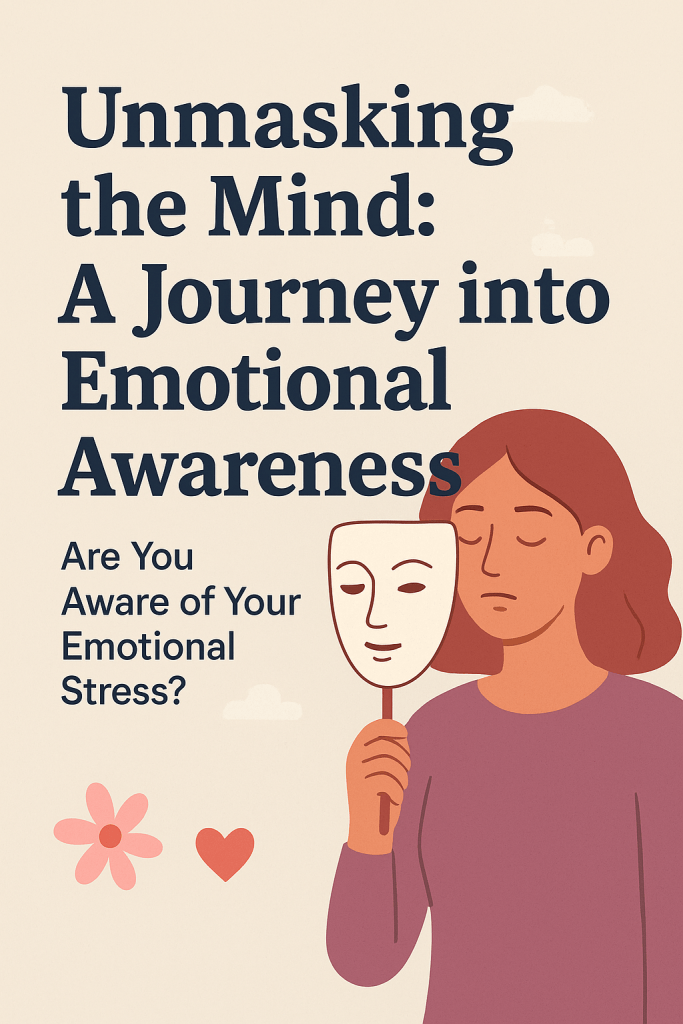
  • Introduction

    Emotional awareness is the ability to recognize, understand, and name your own emotions — as well as notice and interpret the emotions of others. It’s the foundation of emotional intelligence and plays a crucial role in mental well-being, healthy relationships, and effective decision-making.

    Why Emotional Awareness Matters

    In today’s fast-paced world, mental health is often overlooked as we juggle work, relationships, studies, and family responsibilities. Emotional stress can quietly accumulate, affecting our emotional well-being without us even realizing it.

    Practicing emotional awareness is not just about recognizing negative feelings — it’s about understanding and managing them, cultivating self-care, and building resilience. By learning to pause, reflect, and respond to our emotions consciously, we can improve our mental health, strengthen relationships, and lead a more balanced life.

    Are You Aware of Your Emotional Stress? 🤔

    We often say, “I’m fine,” even when we’re not.

    Emotional stress doesn’t always show up as tears or outbursts — sometimes, it hides behind subtle signs like:

    • 😴 Constant tiredness despite enough sleep
    • 😡 Irritability over small things
    • 😔 Loss of motivation or interest
    • 🤯 Overthinking and worry
    • 😶 Feeling disconnected from people or joy

    In the rush of daily life, we carry invisible weights — work deadlines, relationship expectations, family pressures, comparisons, or the fear of not being “enough.” These build up quietly until our mind or body reminds us to slow down.

    Self-check questions:

    • How am I feeling right now?
    • What’s draining my energy?
    • What do I need at this moment — rest, support, or time for myself?

    Awareness is the first step toward healing.
    When you pause to acknowledge your emotions, you give yourself permission to process them — and that’s where emotional well-being truly begins.

    Daily Emotional Situations We All Go Through 🌿

    Our emotional well-being is tested in everyday moments. Here are common scenarios:

    💼 At Work

    • Feeling overwhelmed by deadlines, performance pressure, or lack of recognition
    • Comparing yourself with colleagues who seem more successful or appreciated
    • Struggling with work-life balance or feeling guilty about not spending enough time with family
    • Experiencing conflict or miscommunication with teammates or managers

    💖 In Relationships or Marriage

    • Misunderstandings due to unmet expectations or lack of communication
    • Feeling unheard or unappreciated despite your efforts
    • Balancing personal goals with family or partner needs
    • Emotional distance caused by busy schedules or differing priorities

    🎓 In Studies or Exams

    • Anxiety over performance and results
    • Fear of disappointing parents or teachers
    • Comparing yourself with peers who seem to excel effortlessly
    • Struggling with failure, self-doubt, or low motivation

    👨‍👩‍👧‍👦 Within Families

    • Comparisons between children that affect self-esteem or sibling bonds
    • Differences in opinion between in-laws or couples leading to tension
    • Parents feeling disconnected from grown-up children
    • Family members bottling up emotions instead of expressing them openly

    💬 Common Threads

    Across all these areas, emotions like jealousy, guilt, anger, fear, loneliness, and anxiety often surface — not because we are weak, but because we are human.

    ✅ The key is to acknowledge, not ignore, what we feel — and respond with awareness and empathy toward ourselves and others.

    Awareness and the Art of Maintaining Emotional Well-Being 🌸

    Emotional well-being is not about being happy all the time. It’s about being self-aware, resilient, and compassionate with ourselves through life’s ups and downs.

    Here are simple steps to nurture your emotional balance:

    • Acknowledge your emotions: Don’t suppress them. Name and understand what you feel.
    • Stay connected: Reach out to friends, colleagues, or loved ones. Connection fosters comfort and perspective.
    • Practice mindfulness: Take a few minutes daily to pause, breathe, and center yourself.
    • Set boundaries: Protect your time and energy from unnecessary stressors.
    • Seek help when needed: Talking to a counselor, coach, or mentor is a sign of strength, not weakness.

    Remember: Emotional well-being isn’t a destination; it’s a continuous journey of self-care and awareness.

    Emotional well-being doesn’t mean having a problem-free life.
    It means learning to navigate emotions with balance, understanding, and compassion.

    🌸 Awareness — The First Step Toward Healing

    The first step to dealing with emotional stress is awareness — consciously pausing to check in with yourself.

    Often, we move through our days reacting to situations without realizing the emotions driving our reactions. But when we pause, breathe, and ask, “What am I truly feeling right now?”, we begin the journey of self-understanding.

    Awareness is not judgment:

    • Recognize emotions without labeling them as right or wrong.
    • Name your feelings — frustration, sadness, fear, or disappointment — and take away their silent power over you.

    Respond with empathy:

    • Anger from exhaustion? Respond with care, not conflict.
    • Anxiety from overwhelm? Ground yourself instead of avoiding.

    Benefits of Emotional Awareness:

    • Calm mind communicates with kindness
    • Self-aware person listens with patience
    • Emotionally balanced individual inspires peace in others

    Awareness helps create environments of empathy, understanding, and emotional safety for yourself and others.

    Conclusion: Cultivating Emotional Awareness Daily 🌈

    Developing emotional awareness is a lifelong practice that strengthens mental health, fosters self-care, and improves relationships.

    By checking in with your emotions, practicing mindfulness, and setting healthy boundaries, you manage stress and cultivate resilience and inner peace.

    Start small, stay consistent, and treat yourself with compassion. The more aware you become of your emotions, the more empowered you are to navigate life’s challenges with balance, grace, and understanding — creating a healthier, more emotionally fulfilling life for yourself and those around you.